
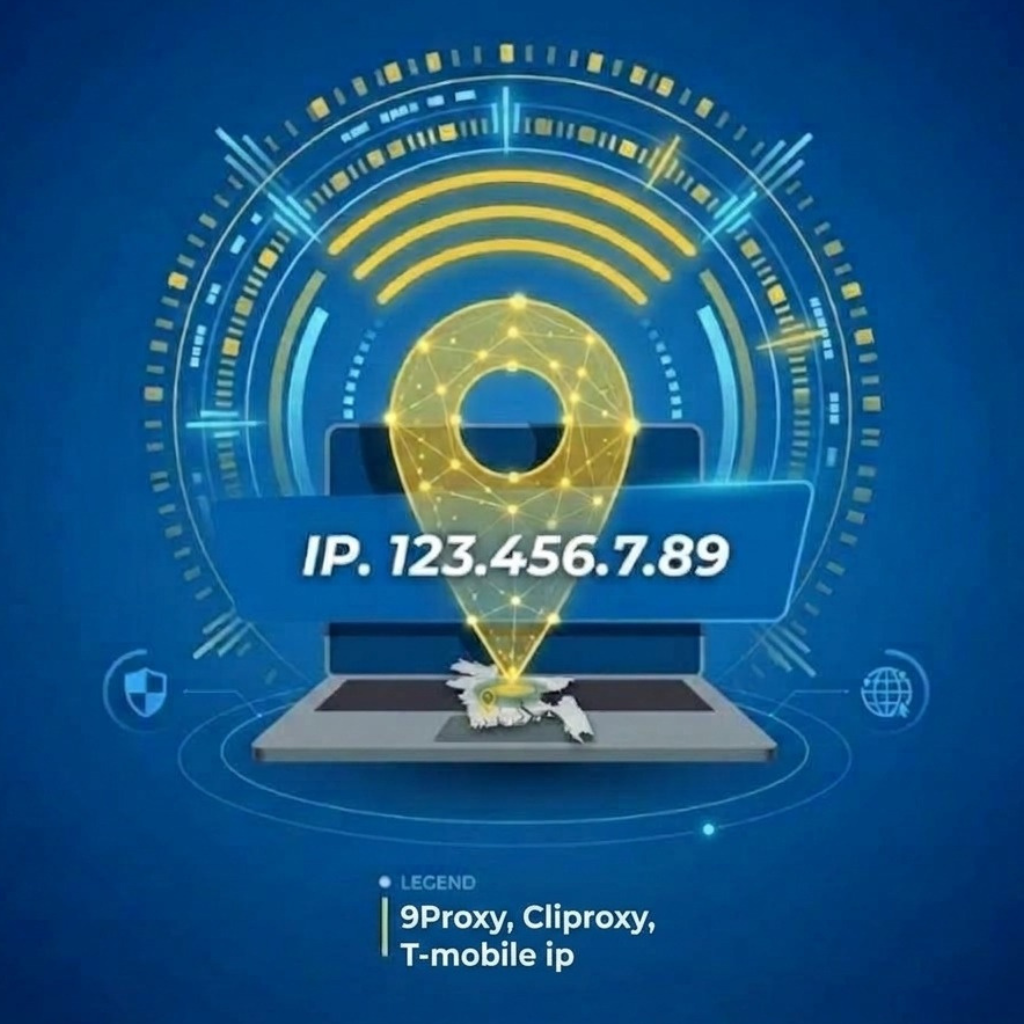
Internet Protocol (IP) is a foundational set of rules and standards that governs how data is formatted, transmitted, and routed across the internet or local networks. Every device connected to a network—whether it is a computer, smartphone, server, or IoT device—is assigned an IP address, which acts as a digital identifier enabling data to reach its correct destination.
Key Components and Concepts
-
Data Routing & Packets: Instead of sending whole files at once, IP breaks data down into smaller chunks called packets. Each packet contains header information detailing the source and destination IP addresses, allowing routers to forward them efficiently across complex network pathways.
-
IPv4 vs. IPv6:
-
IPv4 (Internet Protocol version 4): The traditional and most widely deployed version, using a 32-bit numeric address format usually written as four numbers separated by periods (e.g.,
192.168.1.1). Due to the explosive growth of connected devices, IPv4 addresses have largely been exhausted. -
IPv6 (Internet Protocol version 6): The modern successor, utilizing a 128-bit address format expressed in hexadecimal notation (e.g.,
2001:db8::ff00:42:8329). It provides a virtually limitless supply of unique addresses and introduces improved efficiency and built-in security features.
-
-
Public vs. Private IPs:
-
Public IPs are assigned by Internet Service Providers (ISPs) and identify devices directly to the wider internet.
-
Private IPs are used within local home or office networks (behind a router via Network Address Translation, or NAT) to keep internal devices communicating securely.
-



Reviews
There are no reviews yet.